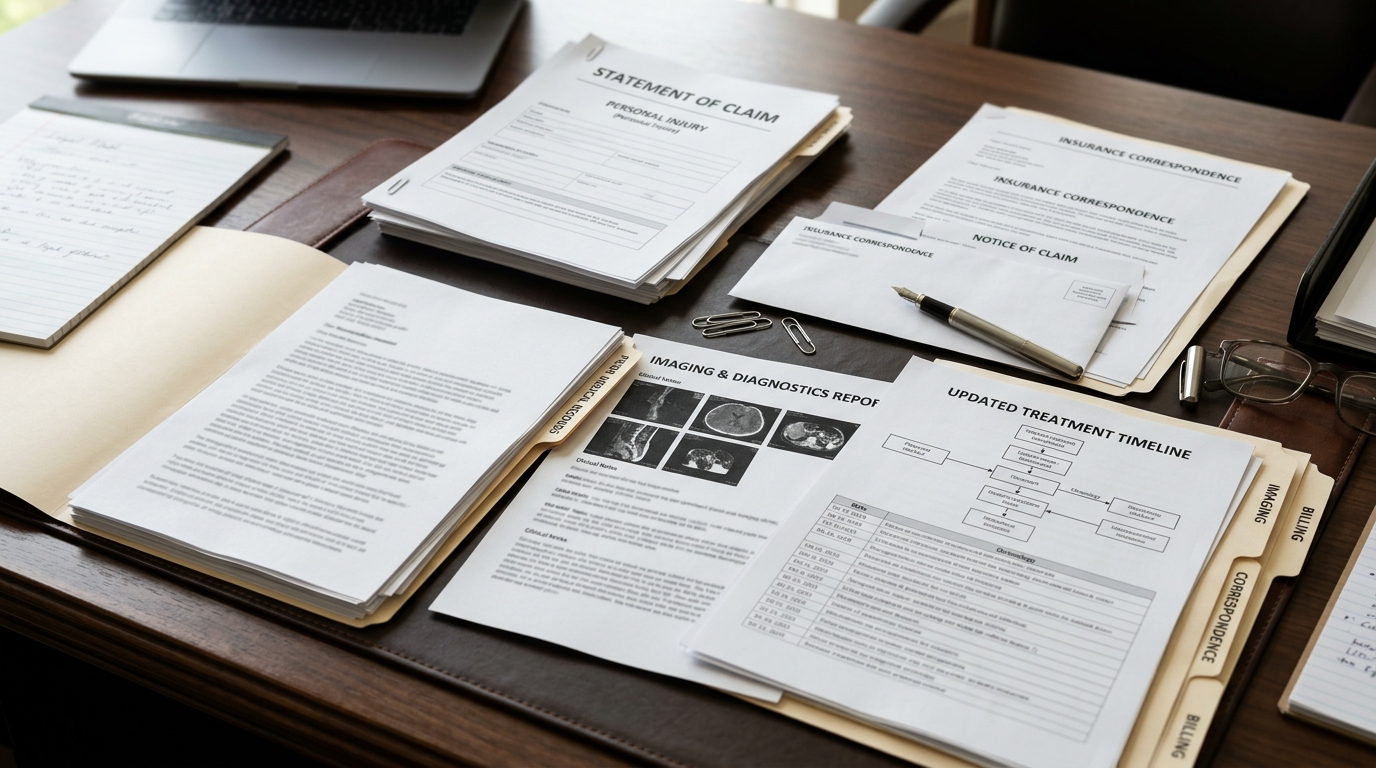










After an accident, you may have questions about medical expenses, vehicle repairs, missed work, and whether the other driver’s insurance company will cover your losses. You may also be unsure whether you need legal representation or whether you can handle the claim yourself.
The answer depends on the circumstances of the accident, the severity of your injuries, the available evidence, and whether the insurance company disputes responsibility or compensation.
Some accidents involve minor property damage and straightforward insurance claims. Others involve serious injuries, multiple vehicles, commercial trucks, or disagreements about who caused the collision. In these situations, understanding your legal options can become especially important.
For Dallas residents, knowing when to consult an attorney can help you make informed decisions before accepting a settlement, providing detailed statements, or allowing important evidence to disappear.
You do not necessarily need an attorney after every accident. However, when injuries are serious, liability is disputed, or the potential financial consequences are substantial, seeking legal guidance early may help you understand your options and protect your interests.
1. When You Have Serious Or Continuing Injuries
One of the clearest reasons to consider hiring an accident lawyer is when a collision causes significant injuries or symptoms that continue beyond the initial days of recovery.
Some injuries require only limited treatment. Others may involve surgery, rehabilitation, specialist appointments, or long-term restrictions on work and daily activities.
The more complicated the medical situation, the more difficult it may be to evaluate the full extent of a claim.
For example, imagine a Dallas driver who suffers a back injury in a collision on Interstate 635. The driver initially expects to recover after a few appointments, but persistent symptoms lead to additional testing and treatment.
At that point, the potential claim may involve more than the medical bills already received. It may also require an assessment of future treatment, lost income, and the effect of the injury on daily life.
An attorney may help organize the available documentation and explain how medical evidence relates to the damages being claimed.
Signs that legal guidance may be useful
Consider seeking advice when:
- Your injuries require extensive or continuing medical treatment.
- You have been advised that surgery or additional treatment may be necessary.
- You cannot return to work or perform your usual duties.
- Your symptoms affect ordinary activities or independence.
- The insurance company questions the seriousness of your injuries.
- You are uncertain whether a settlement adequately accounts for your losses.
Medical decisions should be based on your health needs and advice from qualified healthcare professionals. You should not delay necessary treatment while deciding whether to hire an attorney.
2. When The Insurance Company Disputes Who Caused The Accident
A claim can become more complicated when the drivers provide different accounts of the collision.
One driver may say the other vehicle entered an intersection against a traffic signal. The other driver may argue that the signal was green or that the first vehicle was traveling too quickly to stop.
When responsibility is disputed, the insurer may investigate the crash report, photographs, witness accounts, vehicle damage, and other available evidence.
The outcome can affect whether compensation is available and how much may be recoverable.
Evidence that may help clarify responsibility
Depending on the circumstances, relevant evidence may include:
- Photographs of the vehicles and accident scene.
- Statements from independent witnesses.
- Police crash reports.
- Available traffic-camera, surveillance, or dashcam footage.
- Vehicle damage patterns.
- Relevant vehicle data or expert analysis.
Evidence should be preserved as early as reasonably possible. Video footage may be overwritten, witnesses may become difficult to locate, and damaged vehicles may be repaired.
A Dallas accident lawyer may help identify relevant evidence, assess disputed issues, and explain the available options if the insurance company refuses to accept responsibility.
The Texas Department of Insurance’s guidance on what to do after a wreck explains practical steps for collecting information and documenting an accident.
3. When You Receive A Settlement Offer Before Understanding Your Injuries
Insurance companies may make settlement offers before all the consequences of an injury are clear.
An early offer can be appealing when medical bills are arriving and household expenses continue. However, accepting a final settlement without understanding the injuries and losses involved can create problems.
Consider a hypothetical Dallas resident who receives an offer shortly after a rear-end collision. The person has received initial treatment but continues to experience pain and has not yet determined whether additional treatment will be necessary.
If the person accepts the offer and signs a release, it may be difficult or impossible to obtain additional compensation for the same claim later.
This does not mean every early offer is unfair or that every claim must remain open until treatment ends. The appropriate decision depends on the medical evidence, the known losses, the terms of the settlement, and the circumstances of the case.
Questions to consider before accepting an offer
- Are the injuries and current medical expenses adequately documented?
- Is there significant uncertainty about additional treatment?
- Have lost wages and other supported losses been considered?
- Does the offer reflect the available evidence about responsibility?
- Which claims and parties would be released by signing?
- Are there outstanding insurance or medical-payment issues?
If the claim involves serious injuries or significant uncertainty, consider obtaining legal advice before signing a final settlement agreement.
4. When The Accident Involves A Commercial Truck
Accidents involving commercial trucks can raise issues that are not always present in ordinary passenger-vehicle collisions.
A truck crash may involve the truck driver, a trucking company, a vehicle owner, a maintenance provider, a cargo-related party, or another potentially responsible entity. The relevant parties depend on the facts and applicable law.
Investigating the accident may require reviewing evidence such as driver records, vehicle maintenance information, cargo documentation, available electronic data, and the circumstances surrounding the truck’s movements.
The size and weight of commercial trucks can also contribute to serious injuries, although the severity and cause of any particular collision must be established through evidence.
Why truck accident claims may require additional investigation
A commercial truck claim may involve:
- Questions about driver conduct and applicable safety requirements.
- Disputes concerning braking, speed, following distance, or lane changes.
- Vehicle inspection and maintenance records.
- Evidence held by a trucking company or another business.
- Multiple insurance policies or potentially responsible parties.
- Significant medical expenses and long-term losses.
Some records may be subject to retention limits, making timely evidence preservation important.
If you were injured in a commercial truck collision, consider speaking with an attorney who handles these cases.
Thompson Law provides additional information through its Dallas truck accident lawyers page.
5. When Multiple Drivers Or Other Parties May Be Responsible
Not every collision involves only one potentially responsible driver.
A crash may involve several vehicles, a commercial vehicle, or circumstances in which different parties contributed to the incident.
For example, a collision on a Dallas freeway could begin when one driver changes lanes abruptly, followed by a second impact involving another vehicle that cannot stop in time.
Determining responsibility may require examining the sequence of events and distinguishing between the conduct of each driver.
Texas follows a modified comparative responsibility system under Chapter 33 of the Texas Civil Practice and Remedies Code.
Under Section 33.001, a claimant generally cannot recover damages if their percentage of responsibility is greater than 50%, subject to the applicable statutory framework.
When recovery is permitted, damages are generally reduced according to the claimant’s percentage of responsibility under the relevant provisions of Chapter 33.
For example, if a claimant has $100,000 in otherwise recoverable damages and is found 20% responsible, a simplified calculation would reduce the amount by $20,000, leaving $80,000 before other applicable adjustments.
This is an illustration, not a prediction of a particular claim’s value.
If an insurer alleges that you contributed to the accident, a lawyer may help assess the evidence and explain how Texas comparative responsibility rules may affect the claim.
6. When Your Medical Bills And Lost Income Are Adding Up
The financial impact of an accident may extend beyond the initial emergency-room visit or vehicle repair.
Depending on the circumstances, an injury claim may involve medical expenses, missed wages, reduced earning capacity, future treatment costs, and other legally recoverable damages.
These losses may be difficult to calculate when treatment is ongoing or when an injury affects a person’s ability to perform their usual work.
For example, a Dallas construction worker injured in a collision may be unable to return to physically demanding duties for several months. Evaluating the financial impact may require medical documentation, employment records, and evidence of the work limitations.
Records that may help document your losses
Keep copies of relevant documents, including:
- Medical bills and treatment summaries.
- Prescription and rehabilitation expenses.
- Employer statements and wage records.
- Documentation of time missed from work.
- Vehicle repair estimates and invoices.
- Receipts for other accident-related expenses.
- Records of relevant restrictions on daily activities.
Not every expense is automatically recoverable. The applicable law and available evidence determine which losses may be included in a claim.
An attorney may help organize the documentation and explain which categories of damages may be relevant to your circumstances.
7. When The Insurance Company Is Delaying Or Questioning Your Claim
Insurance claims do not always proceed smoothly.
An insurer may request additional documents, question whether a treatment expense is related to the accident, dispute the extent of an injury, or argue that its policyholder was not responsible.
Some requests are part of a legitimate investigation. Others may lead to prolonged disagreements that are difficult to resolve without additional evidence or guidance.
If you cannot determine why a claim remains unresolved, ask the insurer to explain what information is missing and what issues remain in dispute.
Keep copies of correspondence and notes of important telephone conversations.
The Texas Department of Insurance’s guide to getting an insurance claim paid explains general claim-handling procedures and provides information about the insurance process.
When legal guidance may help
Consider consulting an attorney if:
- The insurer repeatedly disputes documented injuries or expenses.
- The insurer denies responsibility despite evidence you believe supports your account.
- You receive a settlement offer that does not appear to address your documented losses.
- You are unsure how to respond to a significant request for information.
- You believe the claim is being handled improperly and need to understand your options.
An attorney cannot guarantee a particular settlement or require an insurer to accept your preferred amount. However, legal guidance may help you understand the dispute and evaluate the available next steps.
8. When You Are Unsure What To Say To An Insurance Adjuster
After an accident, an adjuster may ask for details about the collision, your symptoms, prior injuries, or treatment.
It is important to provide accurate information and avoid guessing about facts you do not know.
For example, a person may initially describe an injury as minor because the full extent is not yet clear. Later, the person may experience additional symptoms and require further treatment.
That change does not necessarily mean the original statement was dishonest. However, inaccurate or incomplete statements can create disputes if they appear inconsistent with later information.
Practical steps when communicating with an insurer
- Describe the events as accurately as you can.
- Do not speculate when you are uncertain.
- Explain changes in symptoms honestly.
- Review documents before signing or submitting them.
- Keep copies of important communications.
- Ask questions when you do not understand a request.
If an insurer requests a recorded statement and the accident involves serious injuries or disputed liability, consider obtaining advice about your rights and obligations before proceeding.
This is not a recommendation to conceal facts or refuse legitimate cooperation. The goal is to ensure that information is accurate and that you understand the implications of the requests being made.
9. When You Need Help Understanding Texas Legal Deadlines
Legal deadlines can affect your ability to pursue compensation, even when an insurance claim remains under discussion.
Texas generally imposes a two-year limitations period for personal injury lawsuits under Section 16.003 of the Texas Civil Practice and Remedies Code, subject to applicable exceptions and other legal rules.
The deadline generally concerns filing a lawsuit, not completing insurance negotiations.
Certain claims may involve different rules, special notice requirements, or other legal considerations. Claims involving governmental entities, for example, may require additional steps within shorter timeframes.
Do not assume that filing an insurance claim or negotiating a settlement automatically extends the legal deadline.
Why it is important to act promptly
Waiting too long can make it more difficult to preserve evidence, locate witnesses, and prepare a claim.
If you are uncertain about the applicable deadline, seek legal guidance promptly rather than waiting until the final months before the general limitations period expires.
10. When You Need To Understand Whether A Settlement Is Fair
A settlement offer should be evaluated in light of the evidence and the circumstances of the claim.
The amount alone does not establish whether an offer is fair. Relevant considerations may include the documented injuries, medical expenses, lost income, disputed liability, available insurance coverage, and the terms of the release.
For example, an offer may appear substantial to someone who has never dealt with an injury claim. However, it may require careful review if the person has continuing medical needs or substantial documented losses.
Conversely, an offer should not be rejected automatically simply because it is lower than the amount initially requested.
A thoughtful evaluation considers both the evidence supporting the claim and the risks and costs associated with continuing negotiations or litigation.
An attorney may help assess the available documentation, explain the potential consequences of accepting an offer, and discuss possible next steps.

What If You Have Only Minor Injuries And Clear Liability?
Hiring an attorney is not necessary for every accident.
If the collision resulted in limited property damage, no significant injuries, and little disagreement about responsibility, you may be able to handle the insurance process yourself.
The appropriate decision depends on the circumstances and your comfort with the claims process.
You may wish to manage the claim independently when:
- The injuries are minor and the medical situation is straightforward.
- Responsibility is not meaningfully disputed.
- The losses are limited and well documented.
- The insurer explains its position clearly.
- You understand the settlement terms and are comfortable evaluating them.
Even in a relatively simple claim, read any settlement release carefully before signing.
If new symptoms develop, the insurer disputes the claim, or the potential losses become more complicated, you can reconsider whether legal guidance would be useful.
What To Do After An Accident In Dallas
Regardless of whether you hire an attorney, several practical steps can help you protect your health and preserve important information.
1. Prioritize safety
Move to a safe location if possible without creating additional danger. Call 911 if anyone is injured or emergency assistance is needed.
2. Seek appropriate medical attention
If you are injured or concerned about a possible injury, obtain appropriate medical care. Follow your healthcare professional’s recommendations.
3. Exchange information
When safe, obtain the other driver’s contact and insurance information, along with relevant vehicle details.
4. Preserve evidence
Photographs, witness information, crash report details, and available video may help clarify how the collision happened.
Do not put yourself at risk to collect evidence at the scene.
5. Keep financial and medical records
Save treatment summaries, bills, wage records, vehicle repair documents, and relevant insurance correspondence.
6. Be careful with settlement documents
Understand what claims are being released before accepting a final settlement.
7. Keep track of legal deadlines
Do not assume that insurance negotiations automatically preserve your right to file a lawsuit.
These steps can help you organize the information needed to evaluate an injury claim, regardless of whether you eventually seek legal representation.
Frequently Asked Questions
1. When should I hire a Dallas accident lawyer?
Consider consulting an attorney when you have serious or continuing injuries, disputed liability, multiple potentially responsible parties, substantial financial losses, or an insurance settlement you do not understand. Straightforward claims involving minor injuries may not require legal representation.
2. Do I need a lawyer after every car accident in Dallas?
No. Some accidents involve limited property damage and straightforward insurance claims that can be handled independently. The need for legal guidance depends on the injuries, evidence, insurance issues, and complexity of the claim.
3. Should I hire a lawyer before speaking with the insurance company?
You can provide accurate basic information and cooperate with appropriate claim procedures. However, if the accident involves serious injuries, disputed fault, or a request for a recorded statement, you may wish to obtain legal advice before proceeding.
4. Can a Dallas accident lawyer help if the insurer denies my claim?
An attorney may review the denial, examine the available evidence, explain the insurer’s position, and discuss possible responses. Whether a denial can be challenged successfully depends on the policy, evidence, applicable law, and circumstances.
5. How much time do I have to file a personal injury lawsuit in Texas?
The general limitations period is two years after the cause of action accrues under Section 16.003 of the Texas Civil Practice and Remedies Code, subject to exceptions and other applicable rules. Certain claims may have additional notice requirements or different deadlines.
6. Can I still recover compensation if I was partly responsible for an accident?
Generally, Texas allows recovery when a claimant’s percentage of responsibility is 50% or less, with damages reduced according to the applicable rules. A claimant whose responsibility exceeds 50% generally cannot recover under Chapter 33. The evidence and applicable law determine how responsibility is allocated.
7. Is it better to settle quickly or wait?
Neither approach is always best. A settlement should be evaluated according to the available medical evidence, documented losses, disputed issues, and release terms. Settling too early may leave important losses unresolved, while prolonged negotiations can involve additional costs and uncertainty.
8. What should I bring to an initial attorney consultation?
Depending on what is available, useful documents may include the crash report, photographs, insurance correspondence, medical records and bills, wage-loss documentation, and information about the other driver. You do not need to delay seeking advice simply because you do not yet have every document.
Final Thoughts
Deciding when to hire a Dallas accident lawyer depends on the seriousness of the injuries, the clarity of the evidence, the insurance issues involved, and the potential financial consequences of the accident.
You may be able to handle a straightforward claim yourself. However, serious injuries, disputed responsibility, commercial truck involvement, significant financial losses, and complicated settlement terms can make legal guidance more valuable.
Regardless of your decision, prioritize medical care, preserve relevant evidence, keep accurate records, and understand the consequences of any settlement agreement before signing.
If you have questions about an accident-related injury claim in Dallas, visit the Thompson Law Dallas profile for local information.