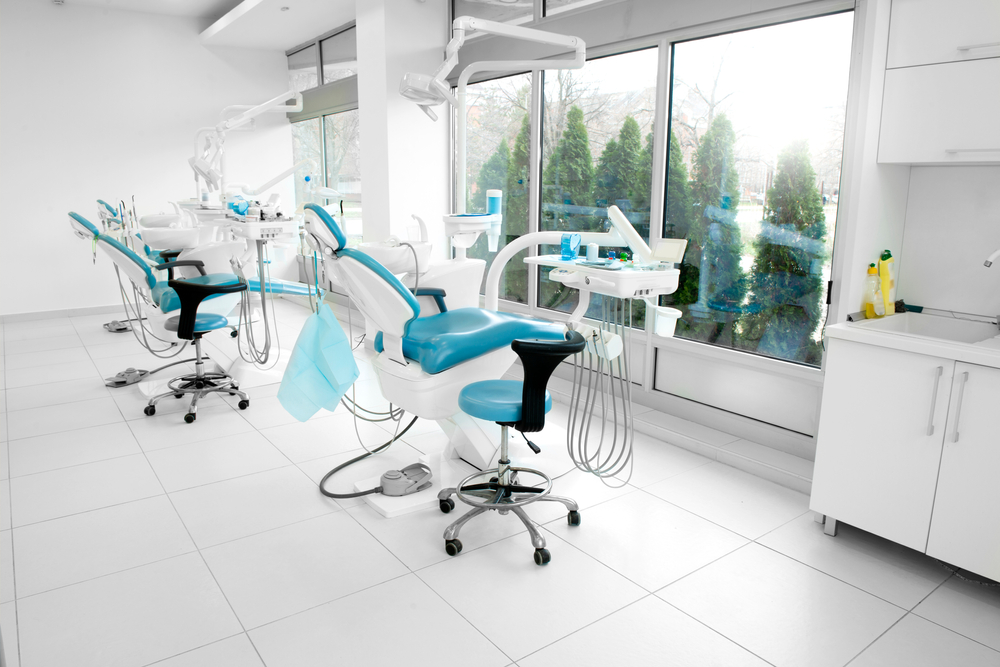






When you’re looking for a good dentist in Saskatoon, the equipment they use tells you a lot about the care you’ll receive.
Some practices still operate like it’s 2005, while others have invested in technology that makes your visits faster, more comfortable, and more accurate.
The gap between these two types of offices is bigger than you might think.
Digital X-Rays Change Everything About Diagnosis
Traditional film x-rays expose you to radiation levels that modern technology has made completely unnecessary.
Digital x-rays cut radiation exposure by 80 to 90 percent compared to film. That matters if you need x-rays every year or deal with ongoing dental issues.
But the real advantage goes beyond safety. Digital x-rays appear on the screen in seconds.
Your dentist can zoom in, adjust contrast, and show you exactly what they’re seeing. No more waiting for film to develop or trying to interpret fuzzy gray images.
The American Dental Association reports that digital imaging helps dentists catch cavities up to two years earlier than traditional methods. Earlier detection means smaller cavities, less drilling, and lower costs for you.
Practices that still use film x-rays aren’t just old-fashioned—they’re giving you inferior care. The technology has been standard for over a decade now. There’s no good reason not to have it.
Intraoral Cameras Show You What’s Actually Wrong
You know that moment when your dentist pokes around your mouth and tells you about problems you can’t see? Intraoral cameras fix that communication gap. These small cameras take high-resolution photos and videos inside your mouth.
Your dentist can show you the crack in your tooth, the worn filling, or the inflamed gums on a large monitor. You’re not taking their word for it anymore—you’re seeing the same thing they see.
Research on patient communication shows that people are 3 times more likely to accept treatment recommendations when they can see the problem themselves. It’s not about manipulation. It’s about informed decisions.
These cameras also create a permanent visual record of your dental health over time. You can compare how things looked six months ago versus today. That’s useful for tracking gum disease progression or monitoring suspicious spots.
How Does 3D Imaging Improve Complex Procedures?
Cone beam computed tomography (CBCT) sounds complicated, but it’s just a 3D x-ray of your jaw, teeth, and surrounding structures.
Traditional x-rays give your dentist a flat image. CBCT gives them a complete 3D model they can examine from any angle.
This technology matters most for complex work—dental implants, root canals on tricky teeth, extraction of impacted wisdom teeth, or diagnosing jaw problems. With 3D imaging, your dentist sees exactly where nerves run, how much bone you have, and where sinuses sit in relation to your teeth.
Studies show that CBCT imaging reduces implant failure rates by 15 to 20 percent. That’s significant when you’re spending thousands of dollars on permanent tooth replacement.
Not every dental office needs this equipment for routine care. But if you’re facing major dental work, you want access to a practice that either has CBCT or partners with an imaging center that does.
Laser Technology Means Less Pain and Faster Healing
Dental lasers have been around since the 1990s, but many practices still haven’t adopted them. That’s a shame because lasers can replace drills and scalpels for many procedures.
Lasers remove decay, reshape gums, and perform biopsies with minimal bleeding and discomfort. The precision means your dentist removes less healthy tissue. The heat from the laser sterilizes as it cuts, reducing infection risk.
Here’s what matters to you: many laser procedures don’t require anesthesia. You walk out without that numb feeling that lasts for hours. Healing time drops dramatically—days instead of weeks for some gum procedures.
Clinical data shows that laser gum surgery results in 50 percent less post-operative discomfort compared to traditional surgery. Patients also need fewer pain medications afterward.
What Makes a Good Dentist in Saskatoon Stand Out?
Modern practices use practice management software that does more than schedule appointments.
These systems send you automated reminders, let you fill out forms online before your visit, and keep your entire dental history in one accessible place.
You should be able to access your records, x-rays, and treatment plans through a patient portal.
No more calling the office to ask when your last cleaning was or what your dentist said about that tooth.
Electronic records also mean better coordination if you see a specialist. Your periodontist or oral surgeon can access your x-rays and treatment history instantly. No more carrying envelopes of films between offices.
| Technology | Patient Benefit | Adoption Rate |
| Digital x-rays | 80-90% less radiation | 85% of practices |
| Intraoral cameras | See problems yourself | 60% of practices |
| CBCT 3D imaging | Better surgical outcomes | 25% of practices |
| Dental lasers | Less pain, faster healing | 15% of practices |
Digital Impressions Replace That Goopy Mold
Remember gagging on impression putty? Digital scanners eliminate that experience. A small wand scans your teeth in minutes, creating a precise 3D model your dentist uses for crowns, bridges, or aligners.
The accuracy surpasses traditional impressions. Studies show digital impressions have an error rate below 50 microns, while putty impressions often exceed 100 microns.
That means better-fitting crowns and fewer adjustment appointments.
Some practices now have in-office milling machines that create crowns while you wait. You get your permanent crown in one visit instead of wearing a temporary for weeks.
The technology costs practices over $100,000, so not everyone has it. But it’s becoming more common.
CAD/CAM Technology Speeds Up Restoration Work
Computer-aided design and manufacturing (CAD/CAM) systems let dentists design and create restorations digitally. The computer designs your crown based on the digital scan. A milling machine carves it from a ceramic block.
Traditional crown fabrication takes two weeks because it happens in an external lab. CAD/CAM systems can produce a finished crown in under two hours. You need fewer appointments and spend less time in the dental chair overall.
The precision of computer-designed restorations means they fit better and last longer. Research indicates that CAD/CAM crowns have a 10-year survival rate above 95 percent, matching or exceeding traditionally fabricated crowns.
The Bottom Line on Dental Technology
Exceptional dental practices invest in technology that improves your outcomes, not just their marketing. Digital x-rays, intraoral cameras, and electronic records should be standard—these aren’t luxury items anymore.
Advanced tools like lasers, 3D imaging, and CAD/CAM systems set top practices apart. You might not need these for every visit, but knowing your dentist has access to them matters when complex issues arise.
When you’re choosing a dentist in Saskatoon, ask about their technology during your first visit. The tools they use directly affect the quality of care you receive.